Royal Challengers Bengaluru Unveils Bus Design Sparking Viral Fan Uproar Over Kohli
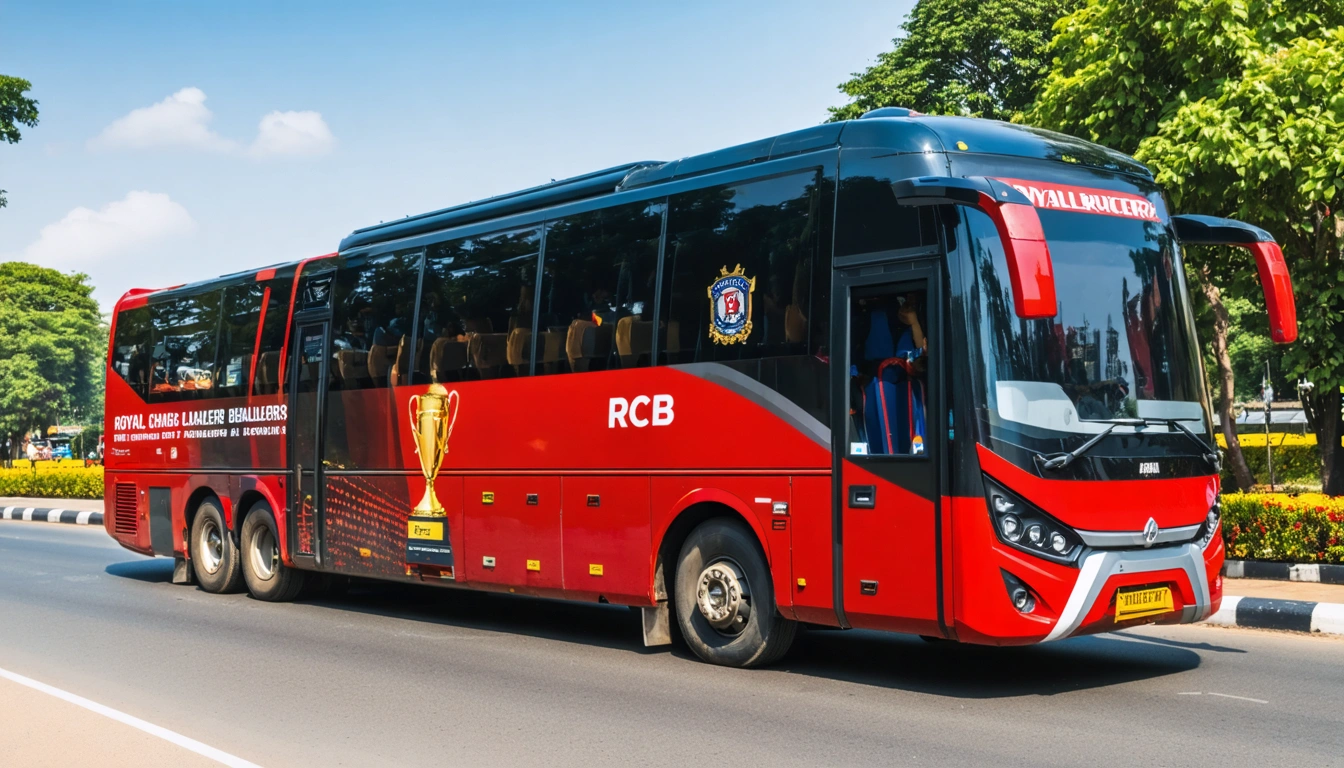
Royal Challengers Bengaluru has introduced a striking new design on its bus, with images circulating widely online and prompting immediate fan scrutiny. Observers quickly noted the absence of Virat Kohli's portrait on one side, fueling speculation about the organization's recognition of his pivotal role. The revelation that his image anchors the opposite side quelled concerns, underscoring his central place amid evolving lineups.
Viral Images Fuel Initial Outrage
Photographs of the bus's refreshed exterior spread rapidly across digital platforms, capturing widespread attention. Fans expressed dismay at the apparent omission of Kohli, interpreting it as a slight against his decades-long dedication. One online voice captured the sentiment: "They erased from the picture the man who gave everything for this organization," highlighting the emotional investment in his presence. This reaction reflects how visual symbols in branding can amplify perceptions of loyalty and oversight in fan communities.
Kohli's Unwavering Centrality Revealed
A subsequent image of the bus's other side clarified the design intent, positioning Kohli prominently at its heart. This arrangement signals that despite influxes of fresh talent, his stature endures as the focal point. His involvement dates back to the inception of the Indian Premier League format, spanning 18 seasons marked by resilience through setbacks, including three final defeats, culminating in last year's triumphant breakthrough.
Cultural Resonance in Fan Devotion
Such moments illuminate the deep cultural ties binding audiences to enduring figures like Kohli, even post his T20 international retirement. The bus design serves as a public emblem of continuity, reassuring followers amid preparations for high-stakes engagements like the impending clash with Chennai Super Kings. In an era of fleeting digital trends, these viral episodes reinforce how visual narratives sustain long-term allegiance and organizational identity.